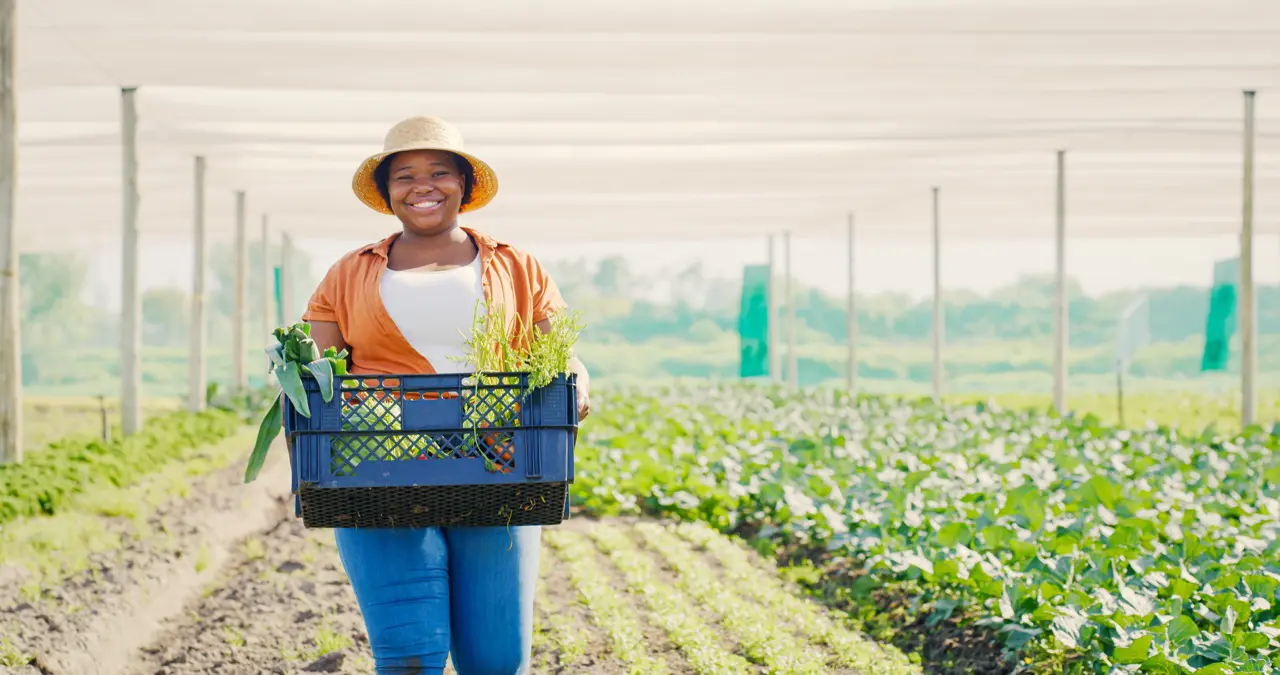
Photo for illustrative purposes: Armand Burger/Getty Images
Table of Contents
By Tshegofatso Selepe Empowering women in agriculture can lead to broader economic and social transformation. When women are uplifted, entire communities benefit, which strengthens the sector’s sustainability. South Africa’s agricultural sector, which is critical to the economy, has long been a male-dominated one. More recently, the sector has been experiencing a significant shift as women have taken on leadership roles, sparking transformation and progress. Their growing influence means they’re increasingly shaping the future of South African agriculture. A passion born from potential The decision to pursue a career in agriculture is not just about job choice but also about recognising the untapped potential in a sector that is often overlooked. While many young people gravitate towards fields like medicine, accounting and engineering, agriculture presents a unique opportunity to influence change and drive progress. Agriculture is not only essential when it comes to South Africa’s socio-economic development, but also offers a platform for societal change. Early exposure to the agricultural value chain, particularly the challenges faced by smallholder farmers, demonstrates the need for systemic support, especially for women. Addressing these gaps in access to markets, technical expertise and financial resources for emerging farmers has become central to the vision for change. Empowering women, transforming communities One of the major barriers in South African agriculture is the underrepresentation of women, particularly in leadership positions. Many women farmers face systemic challenges and are often sidelined. They face difficulties accessing productive resources, markets, and services, hindering their productivity and reducing their overall contribution to the sector. Overcoming these obstacles is therefore essential to achieving long-term growth and sustainability in the agricultural sector. Efforts to empower women in agriculture focus on providing equitable access to resources, mentorship and funding opportunities. Women-led businesses are increasingly supported, making sure that they can navigate the complexities of the industry, especially when stepping into leadership roles. This is not just about individual success but also about creating a broader impact. Empowering women in agriculture can be a catalyst for wider economic and social transformation. When women are uplifted, entire communities benefit, strengthening the sector’s sustainability. Sharing the stories, shaping the future Visibility plays a vital role in breaking down barriers and inciting change within the agricultural sector. Women in agriculture should be recognised not just for their participation but also for their leadership, innovation and contributions to the industry. Documenting the stories of women farmers and emphasising their work is essential to inspiring current and future generations. Through strategic content creation, the sector’s women can be celebrated and their accomplishments shared on a global scale. Increased visibility of women’s work will motivate others to follow in their footsteps. A journey of change Efforts to drive gender equity in agriculture are changing the landscape of the industry. By challenging entrenched norms, those pushing for change are creating a legacy that will influence the future of agriculture. This transformation is a powerful example of how women in agriculture are shaping the future of South Africa’s economy. Take Brenda Mlilo, a dedicated farmer in Heidelberg supported by the Kgodiso Development Fund. Her agricultural journey began in matric when her father bought a farm and, instead of giving her pocket money, encouraged her to start a small chicken farming business. This sparked her passion for agriculture, leading her to diversify into grain production, focusing on soya beans and white maize. Brenda’s resilience and strategic planning ensured her success despite a severe drought last season, allowing her to secure funding again for the current season. Her perseverance and vision make her a role model for aspiring women farmers. Brenda’s story is a testament to progress, but much remains to be done to make sure that women in agriculture receive the recognition, support and leadership opportunities they deserve. When women are empowered and recognised for their work in agriculture, the entire sector thrives, leading to long-term, positive change across South Africa’s agricultural landscape. Also read: Empowering women, transforming agriculture Empowering women, shaping future leaders, and driving transformation in South African agriculture Empowering Rural Women: A Catalyst for Sustainable Development Supporting women farmers ‘can increase agricultural output by 20-30%’
In a bold move to accelerate women’s participation in the economy, Stella Tembisa Ndabeni, Minister of Small Business Development, launched… When it comes to farming, it doesn’t matter whether you’re starting small or going big. More women farmers in South… The Women and Young Entrepreneurs Awards 2025 was more than just an awards ceremony, it was a stirring call to… Established in 2020, African Farming aims to support black commercial farming in South Africa by providing informative and inspiring content and creating communication and education channels to help farmers develop and grow. Its initiatives include African Farming information days and workshops, which empower farmers – whether new or experienced – to build profitable and sustainable farming enterprises. Login to your account below
Please enter your username or email address to reset your password.










No Comments