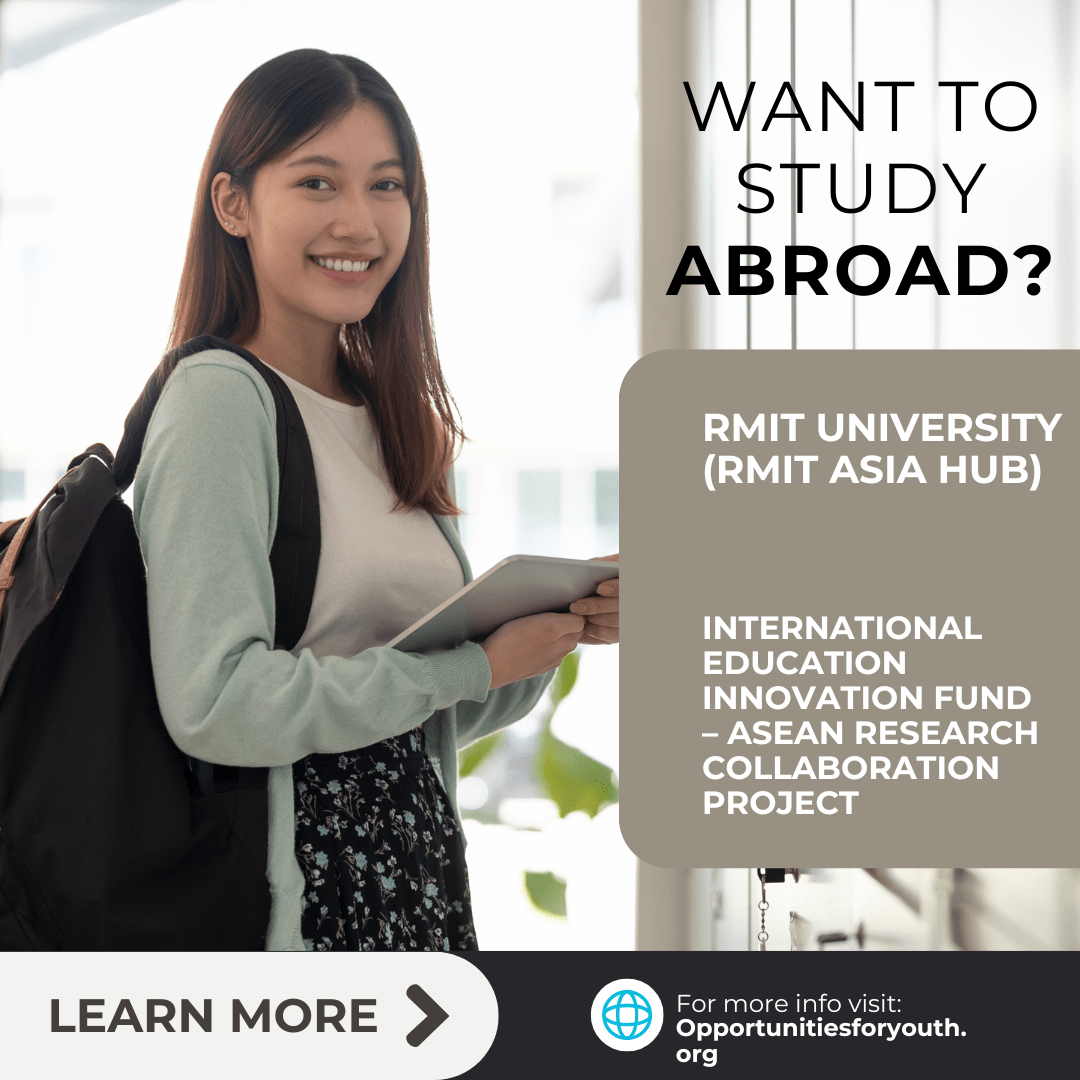
The RMIT Asia Hub, in collaboration with the Australian Government Department of Education, is pleased to announce Round 3 of the International Education Innovation Fund (IEIF) – ASEAN Research Collaboration Project. This prestigious initiative is designed to support Early Career Researchers (ECRs) across ASEAN member states in pursuing commercially-oriented research placements within Australian research institutions. Scheduled to commence between 2 February and 24 April 2026, the programme provides unique opportunities to enhance research skills, expand professional networks, and foster long-term academic and industry collaborations between ASEAN countries and Australia.
About the Programme
The IEIF ASEAN Research Collaboration Project reflects Australia’s commitment to international research collaboration, particularly within the ASEAN region, to advance scientific innovation, technical expertise, and economic cooperation. The project focuses on developing the capabilities of ECRs who have completed their PhD or equivalent within eight years of application. By providing short-term placements in leading Australian research institutions, the programme aims to build both individual researcher capacity and institutional linkages that can generate lasting impact.
Through this initiative, selected ECRs receive funding of up to AU$20,000, which supports research activities over a one-to-three-month period. Recipients gain access to world-class laboratories, equipment, and expertise while contributing to projects aligned with regional research priorities. By nurturing cross-border collaboration and innovation, the programme strengthens the overall research ecosystem in ASEAN and Australia.
Programme Objectives
Several key objectives guide the ASEAN Research Collaboration Project:
- Support Career Development for Early Career Researchers
The programme targets ECRs who are within eight years of completing their PhDs, providing opportunities to acquire new skills, broaden research expertise, and gain international experience. These placements help ECRs establish themselves in competitive academic and industry environments while developing professional networks across ASEAN and Australia.
- Enhance Research Collaboration between ASEAN and Australia
Placements aim to create commercially relevant research partnerships that foster ongoing collaboration. By embedding ECRs within Australian institutions, the programme encourages knowledge exchange, exposure to innovative methodologies, and joint problem-solving on issues of mutual regional interest.
- Promote Commercially Focused Research
The initiative emphasizes research with practical applications, encouraging projects that have potential for economic impact, technology transfer, and industry engagement. Participants are expected to work on projects that reflect both ASEAN regional priorities and Australia’s research capabilities.
- Build Institutional Capacity and Networks
ECR placements serve to strengthen institutional linkages between ASEAN member states and Australian universities and research organizations. This institutional engagement helps foster long-term collaboration, facilitates mentorship opportunities, and encourages the sharing of research infrastructure, knowledge, and best practices.
- Support ASEAN’s Regional Development Goals
Enhanced research collaboration contributes to economic, technical, and scientific development across the ASEAN region. By addressing regional challenges, building human capital, and fostering innovation, the programme aligns with broader objectives of sustainable growth, technological advancement, and socio-economic cooperation.
Eligibility Criteria
The programme is specifically designed for Early Career Researchers (ECRs) who meet the following requirements:
- Completed a PhD degree or equivalent within eight years of the application date.
- Demonstrated a strong track record of academic and/or research achievements.
- Committed to undertaking a one-to-three-month research placement at an Australian host institution.
- Have research interests aligned with the priorities of the ASEAN Research Collaboration Project.
The programme is open to applicants from all ASEAN member states, including but not limited to Brunei, Cambodia, Indonesia, Laos, Malaysia, Myanmar, the Philippines, Singapore, Thailand, and Vietnam. Applicants must also demonstrate the capacity to engage in cross-cultural research collaboration and contribute to outcomes that benefit both ASEAN countries and Australia.
Financial Support and Benefits
Selected ECRs will receive financial support to facilitate their research placement and participation in the programme. The funding is designed to cover costs associated with relocation, research activities, and living expenses while in Australia.
The financial benefits include:
- Establishment Allowance – A one-time payment of AU$3,500, intended to cover travel, visa, and insurance costs.
- Monthly Stipend – Up to AU$4,000 per month, prorated for placements of less than three months.
- Family Allowance – Up to AU$1,500 per month, prorated, for recipients travelling with dependent family members. Dependents must accompany the ECR for the entire duration of the placement. A dependent is defined as someone wholly or substantially reliant on the recipient for financial, psychological, or physical support.
In addition, host institutions may receive a AU$1,000 subsidy per intern to cover research consumables, such as laboratory equipment, subscriptions, or fieldwork costs. The subsidy is released upon completion of agreed Key Performance Indicators (KPIs) and milestones.
Host Organisations
Australian research institutions participating in the programme provide structured support to ECRs, including:
- Supervision and mentorship by experienced academic and industry researchers.
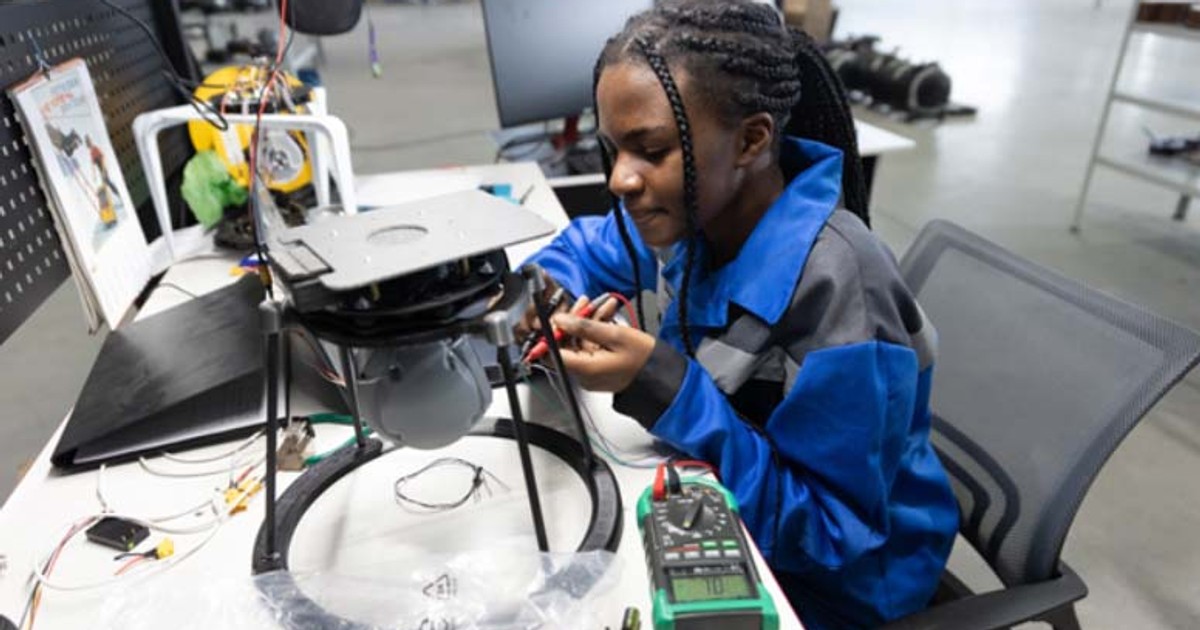
- Access to laboratories, equipment, and specialized research facilities.
- Opportunities to engage in collaborative projects with institutional researchers.
- Integration into professional networks that facilitate knowledge exchange and collaborative outputs.
Application Process
Applicants are required to follow a structured application process to ensure eligibility and proper assessment:
- Prepare Required Documentation
- A detailed Curriculum Vitae (CV) outlining academic qualifications, research experience, and publications.
- A research proposal or statement of intent, highlighting the objectives, methodology, and expected outcomes of the proposed placement.
- Supporting documentation, such as references or proof of PhD completion, may also be required.
- Submission of Application
Applications must be submitted to the RMIT Asia Hub via the official online portal. Incomplete submissions or applications sent through alternative channels will not be considered.
- Selection Process
Applications are assessed based on academic merit, research relevance, feasibility, and potential for commercial impact. Selected candidates are shortlisted and may be contacted for interviews or additional documentation before final selection.
Indicative Timeline – Round 3 (2026)
| Date |
Event |
| 2 Feb – 24 Apr 2026 |
Research placement period in Australia |
| To be announced |
Application opening for Round 3 |
| To be announced |
Application deadline |
| To be announced |
Notification of successful applicants |
| Following selection |
Placement confirmation and orientation |
Note: Exact dates for application opening and closing will be confirmed via the RMIT Asia Hub website. Candidates are encouraged to apply early to ensure full consideration.
Programme Outcomes
ECRs participating in the IEIF ASEAN Research Collaboration Project can expect the following outcomes:
- Professional Development: Enhanced skills in research design, methodology, and scientific communication.
- Expanded Networks: Access to leading academics, research institutions, and industry stakeholders across Australia and ASEAN.
- Research Outputs: Opportunities to contribute to peer-reviewed publications, patents, and collaborative projects with tangible regional or commercial impact.
- Institutional Linkages: Strengthened connections between ASEAN research institutions and Australian universities, facilitating future collaboration and knowledge transfer.
- Career Advancement: Improved prospects for academic, industry, and policy roles in research and innovation.
Why Join the Programme
The IEIF ASEAN Research Collaboration Project offers a unique opportunity for early career researchers to:
- Engage in international research collaboration in a commercially-focused context.
- Work alongside leading academics and access state-of-the-art research facilities.
- Gain exposure to innovative methodologies and regional research priorities.
- Build professional relationships that foster long-term partnerships between ASEAN countries and Australia.
- Enhance career trajectories in academia, research, and industry.
For any inquiries regarding eligibility, application procedures, or research placements, candidates are encouraged to contact the programme team:
The team provides guidance on application preparation, research placement planning, and post-placement reporting, ensuring that participants maximize the benefits of the programme.
Host Institution Responsibilities
Australian host institutions play a critical role in the success of the programme. Responsibilities include:
- Providing structured mentorship and guidance to the ECR during the placement.
- Facilitating research access and collaboration within institutional projects.
- Reporting progress against KPIs and milestones to qualify for host subsidies.
- Supporting cross-cultural engagement and knowledge transfer, enhancing both institutional and researcher outcomes.
Long-Term Impact
The IEIF ASEAN Research Collaboration Project is designed to create lasting impact beyond the duration of individual placements:
- Sustained Institutional Partnerships: Establishes frameworks for ongoing collaboration between ASEAN institutions and Australian research organizations.
- Knowledge Transfer: Supports the dissemination of best practices, innovative methodologies, and technological advancements across borders.
- Capacity Building: Enhances the skills and capabilities of ASEAN ECRs, strengthening regional research ecosystems.
- Commercial and Policy Relevance: Encourages research that has practical applications, supporting economic and societal development in ASEAN countries.
Acknowledgement of Country
RMIT University acknowledges the traditional custodians of the lands on which its campuses operate, including the Woi wurrung and Boon wurrung language groups of the eastern Kulin Nation, and pays respect to their Ancestors and Elders, past and present. RMIT extends this acknowledgment to Traditional Custodians across Australia, recognizing their ongoing connection to land, waters, and communities.
Conclusion
The IEIF ASEAN Research Collaboration Project represents a strategic initiative to develop high-potential ECRs in ASEAN countries while fostering strong international partnerships with Australia. By supporting short-term placements in world-class research institutions, the programme promotes scientific excellence, innovation, and commercial application, contributing to regional growth and long-term collaboration.
For ambitious ECRs seeking professional growth, international exposure, and impactful research opportunities, this programme is a gateway to a transformative career in research and innovation. Interested applicants are encouraged to monitor the RMIT Asia Hub website for the official opening of Round 3 applications and prepare to submit strong, competitive applications to take advantage of this prestigious opportunity.
For more opportunities, Visit: opportunitiesforwomen.org/





Comments are off for this post.