Climate change is no longer a distant threat—it is a pressing global crisis affecting every facet of society. From declining agricultural productivity and rising sea levels to extreme weather events like droughts, forest fires, and catastrophic flooding, the consequences of climate change are both immediate and far-reaching. Governments, policymakers, and civil society actors are grappling with how to respond effectively. However, addressing these challenges requires more than top-down decision-making; it demands the active engagement of citizens and communities who are directly affected by climate impacts.
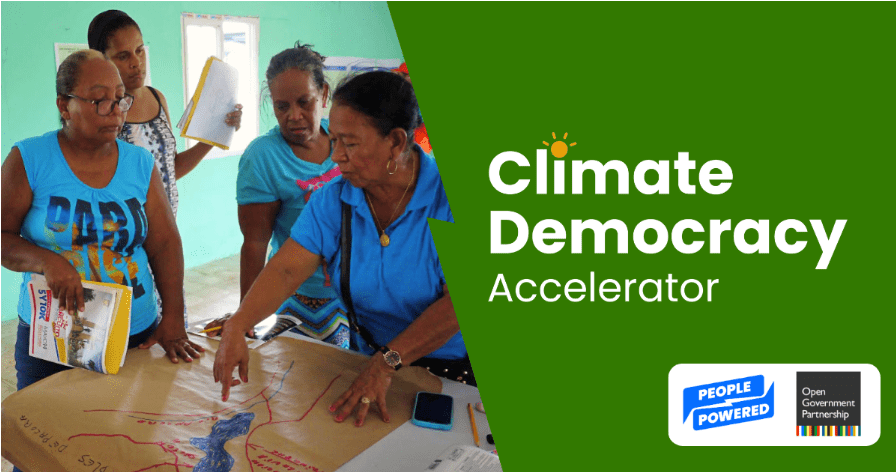
Recognizing this critical need, People Powered, a leading organization in participatory democracy, has launched the Climate Democracy Accelerator (CDA)—a six-month, practice-oriented training and support program designed to empower government and civil society leaders to implement inclusive, community-driven climate policies. This program focuses on regenerative agriculture, renewable energy, and just transitions, providing participants with the tools, mentorship, and funding necessary to turn their ideas into actionable programs.
The Need for Participatory Climate Action
Climate change is not only an environmental issue; it is a social, economic, and political challenge that disproportionately affects marginalized communities. Vulnerable populations—such as smallholder farmers, indigenous groups, and communities living in flood-prone or drought-affected regions—often bear the brunt of climate impacts, yet they are frequently excluded from the decision-making processes that shape policies affecting their lives.
Inclusive and participatory approaches are essential for ensuring that climate solutions are equitable, effective, and reflective of local realities. By engaging citizens in policymaking, governments can harness diverse perspectives, encourage innovation, and foster greater accountability in the implementation of climate strategies. Participatory democracy also strengthens public trust and social cohesion, which are critical for the long-term success of climate initiatives.
What is the Climate Democracy Accelerator?
The Climate Democracy Accelerator (CDA) is an innovative program that equips participants with the skills, knowledge, and resources to implement participatory climate initiatives in their local contexts. The program is designed for leaders from governmental institutions, civil society organizations, and non-governmental organizations, prioritizing applicants from five focus countries: Brazil, Indonesia, India, Mexico, and South Africa. Additional spaces are open to participants from other countries worldwide.
Over six months, participants engage in an immersive learning experience that combines practical tools, mentorship, and collaborative problem-solving. The CDA emphasizes three core areas of climate action:
- Regenerative Agriculture: Practices that restore soil health, increase biodiversity, and promote sustainable food systems.
- Renewable Energy: Community-driven approaches to transitioning away from fossil fuels toward sustainable, low-carbon energy solutions.
- Just Transitions: Ensuring that the shift to a low-carbon economy is equitable and inclusive, leaving no community behind.
Program Structure and Components
The CDA program is structured to provide comprehensive support to participants at every stage of their project development and implementation. Key components include:
1. Step-by-Step Resources
Participants gain access to the Participation Playbook, an interactive online toolkit designed to guide the creation and execution of participatory programs. The Playbook provides practical instructions for designing inclusive initiatives that elevate the voices of local communities and marginalized groups.
2. Practice-Oriented Live Sessions
The program includes live workshops, online courses, and interactive sessions focused on participatory techniques, climate policy frameworks, and project implementation strategies. These sessions offer participants hands-on experience in applying participatory methods in real-world contexts.
3. Peer Learning and Country-Based Collaboration
Participants join country-specific peer groups, facilitated by in-country lead partners. These groups provide opportunities for mentorship, collaboration, and feedback, enabling participants to refine their action plans and benefit from collective learning.
4. Localized Case Studies
The program provides case studies and resources tailored to participants’ national contexts, offering insights into successful participatory climate initiatives and lessons learned from similar projects worldwide.
5. Funding Support
To ensure that ideas can move from concept to action, all participants receive a $10,000 USD implementation grant. The top five action plans in each cohort are awarded an additional $15,000 USD, incentivizing high-impact and innovative program designs.
Apply Here!
Impact and Success Stories
Since its inception in 2023, the CDA has launched over 50 participatory climate programs worldwide, demonstrating the transformative potential of citizen engagement in climate action. Notable examples include:
- Himalayan Communities: A Citizens’ Assembly empowered local communities to restore forests, recharge water sources, and revive biodiversity, providing a blueprint for participatory forest management.
- Rural Zimbabwe: Residents co-created climate policies that reduced deforestation and implemented regenerative agriculture practices, highlighting how participatory approaches can directly influence sustainable land management.
- Brazilian Cities: Legislative theater and community-led forums have enabled residents to influence municipal climate policy, illustrating the creative tools that communities can employ to hold governments accountable.
These stories underscore the importance of participatory approaches in ensuring that climate action is both effective and inclusive, addressing the unique needs of different communities while promoting long-term sustainability.
Why Participatory Democracy Matters in Climate Action
Participatory democracy goes beyond simple consultation. It fosters deliberation, collaboration, and co-creation, ensuring that all stakeholders—especially those most affected by climate change—have a voice in shaping solutions. Key benefits include:
- Equity: Amplifies the voices of marginalized groups who are often excluded from formal policymaking processes.
- Effectiveness: Policies designed with local input are more likely to succeed, as they are tailored to specific community needs and challenges.
- Innovation: Diverse perspectives stimulate creative solutions that may not emerge from top-down approaches.
- Trust: Engaging communities directly builds confidence in governance and strengthens civic participation.
By integrating participatory methods into climate policymaking, governments can implement strategies that are socially just, environmentally sustainable, and politically resilient.
Application and Eligibility
The CDA invites applications from leaders in governmental institutions, civil society organizations, and non-governmental organizations. Priority is given to applicants from Brazil, Indonesia, India, Mexico, and South Africa, though individuals from other countries are also welcome.
Program Timeline:
- October 7–November 30, 2025: Application period
- December 2025: Selection process
- January 2026: Participants notified
- February–March 2026: Onboarding and due diligence
- March 2026: Program begins
- August 2026: Program ends
- September 2026–August 2027: Implementation of action plans
Applicants are expected to dedicate sufficient time to program activities, including live sessions, project development, and community engagement.
Application Requirements:
- Completed application form
- Supporting documents demonstrating relevant experience
- Commitment to program participation and project implementation
Apply Here!
Mentorship and Support
Selected participants receive personalized mentorship from experienced professionals in climate policy, participatory democracy, and community engagement. Mentors provide guidance on:
- Designing inclusive programs
- Engaging stakeholders effectively
- Overcoming implementation challenges
- Scaling successful initiatives
This mentorship ensures that projects are not only feasible but also impactful, providing participants with the confidence and expertise needed to drive meaningful change.
Funding and Awards
Financial support is a cornerstone of the CDA program. All participants receive a $10,000 implementation grant to bring their projects to life. In recognition of exceptional innovation and potential impact, the top five action plans in each cohort receive an additional $15,000 award. This funding empowers participants to implement tangible solutions while encouraging creative and high-impact program designs.
Learning from Global Experiences
The CDA emphasizes knowledge exchange and peer learning, providing participants with insights from successful initiatives worldwide. Past programs have demonstrated:
- The effectiveness of participatory budgeting in addressing climate challenges in Indonesia, Lisbon, and Montréal
- How legislative theater in Brazil and Zimbabwe amplifies community voices
- Strategies for involving displaced populations and refugees in climate policymaking
These examples illustrate the versatility and scalability of participatory approaches, showing how communities in diverse contexts can influence climate policy.
Climate Democracy in Action: Key Lessons
The CDA demonstrates that participatory democracy is a powerful tool for achieving climate justice. Key lessons include:
- Community engagement must be continuous: One-off consultations are insufficient; sustained participation ensures that policies remain relevant and effective.
- Inclusivity drives impact: Programs that actively engage marginalized populations yield more equitable and sustainable outcomes.
- Local context matters: Successful initiatives are tailored to the specific social, economic, and environmental realities of each community.
- Innovation thrives in collaboration: Cross-sector partnerships and peer learning foster creativity and improve program design.
By applying these principles, CDA participants are helping to shape a future where climate solutions are both participatory and impactful, bridging the gap between policy and the lived experiences of affected communities.
Join the Climate Democracy Accelerator
The Climate Democracy Accelerator offers an unparalleled opportunity for leaders to create meaningful change in their communities while advancing global climate solutions. Participants leave the program equipped with:
- Practical tools and resources for participatory program design
- Mentorship and guidance from experienced practitioners
- Funding to implement high-impact projects
- A global network of peers and experts committed to climate action
By empowering communities to actively participate in decision-making, the CDA is redefining what it means to engage in climate action—shifting from top-down mandates to collaborative, inclusive, and just solutions.
Those interested in applying must complete the application process by November 30, 2025, with all supporting documents submitted online. For more information and to begin your application, visit People Powered’s Climate Democracy Accelerator page.
Apply Here!
Conclusion
Addressing the climate crisis requires more than government policies; it demands active, meaningful participation from the people whose lives are most affected. The Climate Democracy Accelerator exemplifies how participatory democracy can transform climate action, creating solutions that are just, equitable, and responsive to community needs.
Through training, mentorship, funding, and global collaboration, CDA participants are developing innovative programs that prioritize renewable energy, regenerative agriculture, and community resilience. By empowering citizens and civil society leaders, the CDA is not only tackling the climate crisis but also strengthening democratic governance, social equity, and sustainable development worldwide.
The journey toward climate justice is complex, but with initiatives like the CDA, communities around the world are demonstrating that inclusive, participatory solutions are possible—and necessary—for a sustainable future.
For more opportunities, visit: opportunitiesforwomen.org/








Comments are off for this post.