



Rwanda Sees Major Drop in Bribery as Public Confidence Rises
Côte d’Ivoire Signs Membership Agreement with the Arab Africa Trade…
The Surge in Gas Production and Africa’s Path to Economic…
Mobile-Money Tax Could Hurt Senegal’s Youth Ahead of Dakar 2026
Samia Strikes Back: President Confronts Foreign Critics and Warns of…
The Fire Circle Endures: Indigenous Governance And The Establishment Of…
Global Health Bodies, Government Declare Ebola Outbreak Over in DR…
AU Mission Hosts Landmark Retreat as Africa Crafts Response to…
Tanzania Is At A Crossroads. American Partners Can Help It…
Tanzania:Church Reopens, But Missing Property Sparks a Fresh New Wave…
Home – Cameroon: CEPI Panel Explores Opportunities and Barriers for Women Entrepreneurs
By Boris Esono Nwenfor
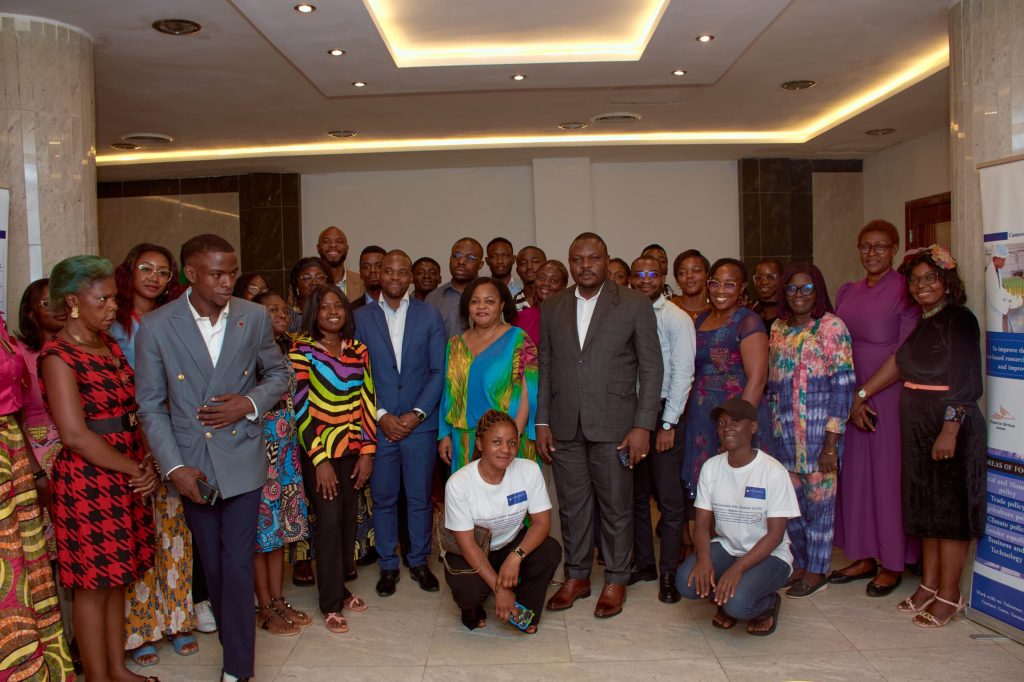
The Cameroon Economic Policy Institute (CEPI) of the Henri Kouam Foundation concluded a high-level panel discussion with a clear message: women entrepreneurs in Cameroon can play a transformative role in the economy if they are given better access to finance, markets, and property rights.
The session, held on May 23 under the theme “Women’s Entrepreneurship in Cameroon: Opportunities, Challenges, and Prospects,” brought together financial and policy experts, entrepreneurs, and development advocates. Moderated by CEPI Founder and Executive Director Henri Kouam, the panel featured Prof. Kelly Mua Kingsley, Financial Engineer and Director of Finance Operations for the State, and Mme. L’or Sylvie epse Mafouo, Regional Director at Afriland First Bank.
L’or-Sylvie revealed that women own 40% of all businesses in Cameroon, yet account for just 20% of manufacturing firms, a gap compounded by limited access to loans. “Administrative bottlenecks and low financial literacy are major obstacles,” she said, urging women to open bank accounts in financial institutions to develop a credit history with these institutions. She echoed CEPI’s research on the need to enforce women’s property rights, making it easier for them to access finance.
Prof. Kelly Mua noted that entrepreneurs should have credible business plans, record sales and expenses, and demonstrate their business has potential by having a stable customer base. Prof. Kelly Mua Kingsley, who is equally the Board Chair of the African Trade & Investment Development Insurance, noted that businesses should also look outwards as the African Continental Free Trade Area provides a unique opportunity for women-led businesses to export across the continent.
L’or-Sylvie equally noted that women entrepreneurs should ensure there is a market for their products. “Sometimes, banks may be willing to lend to businesses that have strong sales without necessarily asking for collateral. Prof. Kelly urged CEPI to organise a working session with local financial institutions to ensure these women have a path to access financing,” she said.
Henri Kouam pointed out that state guarantees, currently estimated at FCFA 200 billion, should be extended to other institutions to ensure greater inclusion. While Prof. Kelly noted the scheme is open to all commercial banks, Mrs. L’or-Sylvie stressed the need for operational adjustments to allow banks like Afriland to benefit, reducing reliance on costly international borrowing.
An engaging Q&A session followed, where participants asked about the requirements to obtain specific types of loans, the work of ATIDI, and how to be more export-facing. The panel provided step-by-step guidance on how to better access finance, including practical examples and recommendations. These recommendations included expanding the loan guarantee scheme from MINFI to include more banks, as well as training on export and import procedures, business plans, and formalising business activity through business-friendly private sector reforms.
The event closed with networking and renewed commitments from CEPI to champion free-market ideas and entrepreneurship through research, training, and policy debates.
Your email address will not be published.
Côte d’Ivoire Signs Membership Agreement with the Arab Africa Trade Bridges (AATB) Program
The Surge in Gas Production and Africa’s Path to Economic Transformation
Mobile-Money Tax Could Hurt Senegal’s Youth Ahead of Dakar 2026
Global Health Bodies, Government Declare Ebola Outbreak Over in DR Congo
AU Mission Hosts Landmark Retreat as Africa Crafts Response to UN80 Reforms
Tanzania:At Just 13, Vivian Frank Pens a Bestseller to Heal Hearts and Reunite Families
A Tribute to Professor Michael John Rowlands: A Legacy of Scholarship, Collaboration, and Enduring Friendship
Ethiopia is Waxing Strong in the Face of Multiple Challenges-Ambassador Arega
The Fisherman’s Diary: A Review
A Monumental Contribution to African Languages
The developed countries should STOP selling weapons to the people…
Oh! Doctor. I hope you secure peace and unity amongst…
We should look also on avocado plantation
She should have considered her own actions before what she…
Thank you Dr Fomunyoh for your insightful perspectives on the…
Pan African Visions
Cameroon: REGARTLESS Returns Looted Artefacts to Lebang Community.
Tracking AfDB’s footprint in Africa’s development:over 4,501 projects amounting to…
ZEGU To Represent Zimbabwe At Premium US Moot Court.
Merck Foundation Chairman and Chief Executive Officer (CEO) meets Tanzania…
7614 Green Willow Court, Hyattsville, MD 20785 , USA
1 24 0429 2177
pav@panafricanvisions.com
©2025 PAV-Pan African Visions
source